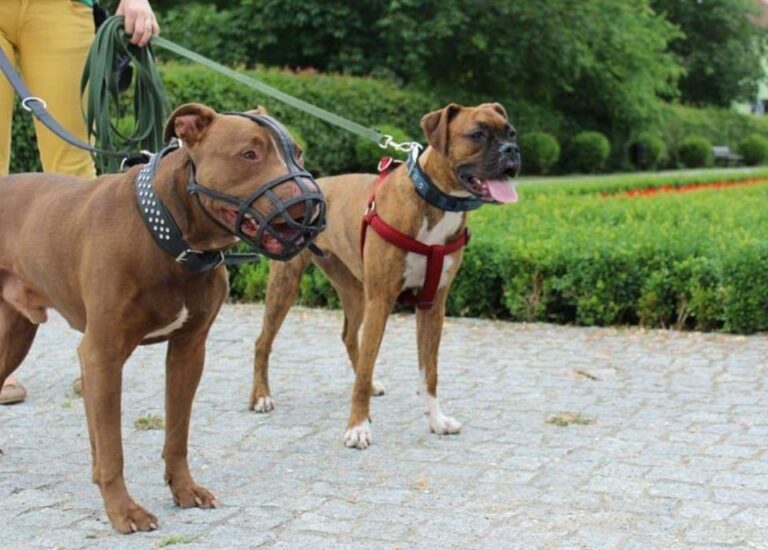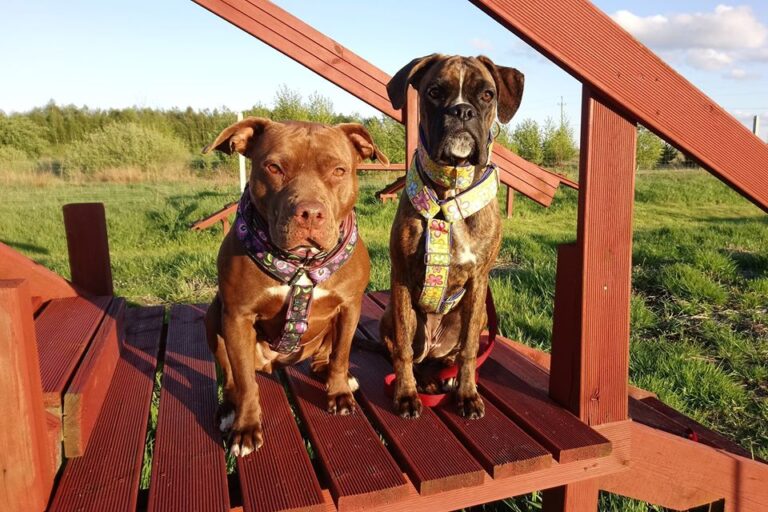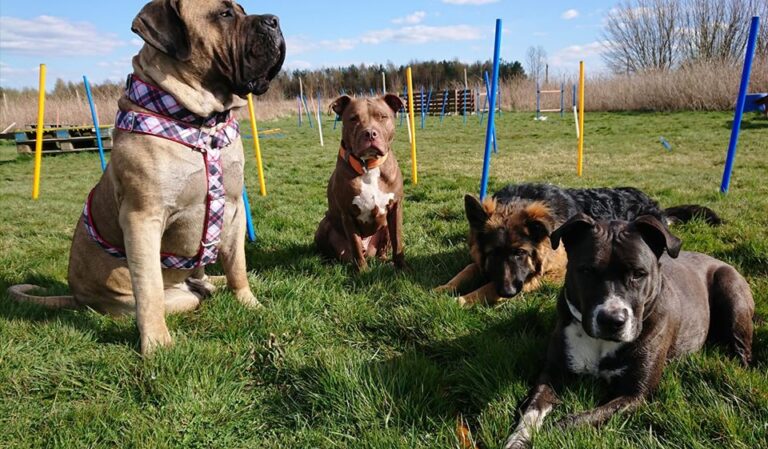

Teaching and helping canine students at LikeDog Canine College through our human and Canine Teaching Teams involves advanced psychology . It has done so from the beginning , even before the College existed, when we voluntarily helped homeless dogs with problems in shelters.
Students receive help of the highest standard: professional, thoughtful and carefully considered, based on extensive knowledge and still greater experience, with respect and trust.
Everything at Canine College is prepared
for our students and their needs, beginning with:
the centre’s entire infrastructure,
all equipment, and ending with our essential
qualifications and experience working with dogs and
preparation of the Canine Teaching Team. All of this helps students regain mental balance and finally experience peace. Good mental health immediately shows in a dog’s outward appearance.
Dogs arriving for therapy in poor mental condition often look very unwell. Outward signs frequently include:
extremely wide, bulging eyes,
a tongue hanging out, in most cases unrelated to physical illness,
heavy, excessive panting unrelated to temperature or cooling in outdoor conditions,
an immature facial expression,
a hunched posture,
an unnatural, unsteady gait,
falling over despite investigations finding no injuries or congenital or acquired disease,
hair loss, raised fur and dandruff unrelated to allergies or other illnesses.
We discussed this years ago, based on observations extending much farther back, before others began focusing on it. I mention this for people who have only recently found our social media or joined us online or in person , so they know whom they are meeting.
Very difficult, potentially dangerous cases make up a large proportion of dogs arriving for therapy at LikeDog Canine College.
Many people still associate major canine problems only with overt aggression, but that is not the whole picture. Of course, owners of aggressive dogs seek help here and receive it.
Canine problems have become more serious, with deeper roots: many dogs now face psychological difficulties.
Just as many people need therapy for mental health problems, dogs can fail to cope psychologically with today’s overstimulating home and outside environments, often alongside unstable people. Psychological disorders lead to unwanted behaviour that may threaten owners and everyone nearby.
Most dogs now arriving for therapy have major psychological difficulties, including psychopathic behaviours we described years ago in these articles:
https://likedog.pl/psi-psychopaci
https://likedog.pl/nowy-obraz-psich-zachowan
https://likedog.pl/psi-psychopaci-psia-komunikacja
https://likedog.pl/en/awareness-wisdom-and-foresight/
Helping a dog with psychological disorders is very difficult and often
very risky,
requiring extensive experience,
knowledge,
attentiveness,
calm and
great composure and
observation skills, as well as, as mentioned at the beginning,
appropriate conditions and
qualified staff who can help the dog achieve mental calm.
However determined someone may be, trying ordinary, pointless drilling with a psychologically troubled dog achieves nothing except worsening their mental condition .
Never believe that aversive methods such as:
jerking, corrections, choking, kicking, biting, rolling onto the back, grabbing the scruff, jabbing or pinching…
and aversive tools such as:
prong collars, electric shock collars, choke chains, slip collars, loops or so-called behavioural leads
will help a dog overcome psychological problems .
To make a simplified comparison, it is like standing over someone with mental illness, hitting their head with a hammer or kicking them while saying “fix yourself”, rather than offering therapy in supportive conditions .
Dogs with psychological disorders may threaten owners, others and themselves, with problems manifesting through different compulsive behaviours discussed in our article
CANINE COMPULSIONS AND OBSESSIONS
https://likedog.pl/en/canine-compulsions-and-obsessions/
To protect your dog’s mental health and everyone’s safety, seek professional help as soon as behaviour concerns you. Book a behavioural consultation with us by calling 607 307 131.
Sessions are led by:
Magdalena Górska, qualified COAPE Animal Behaviourist and member of the COAPE Association of Behaviourists and Trainers, with assistant behaviourist and COAPE petsitter Katarzyna Kulpińska.
Image — source: internet.