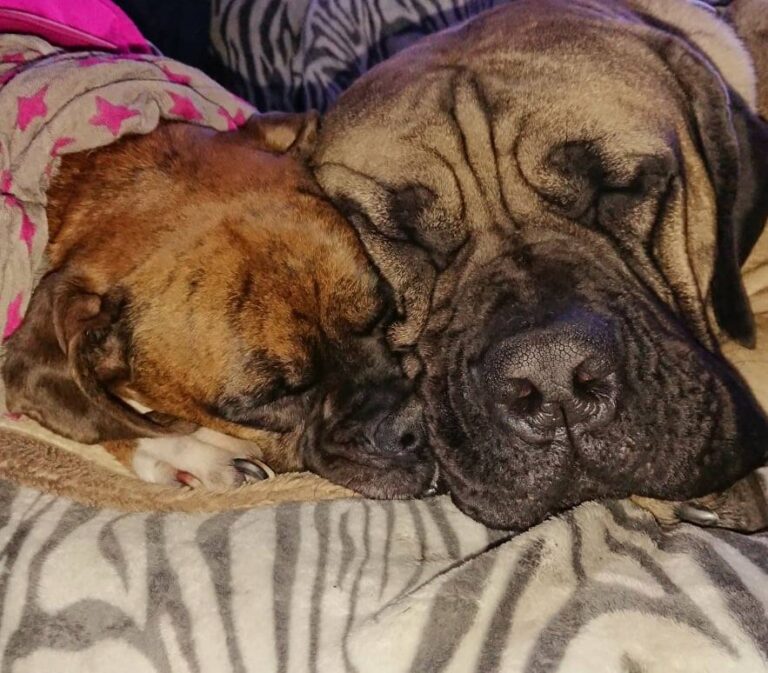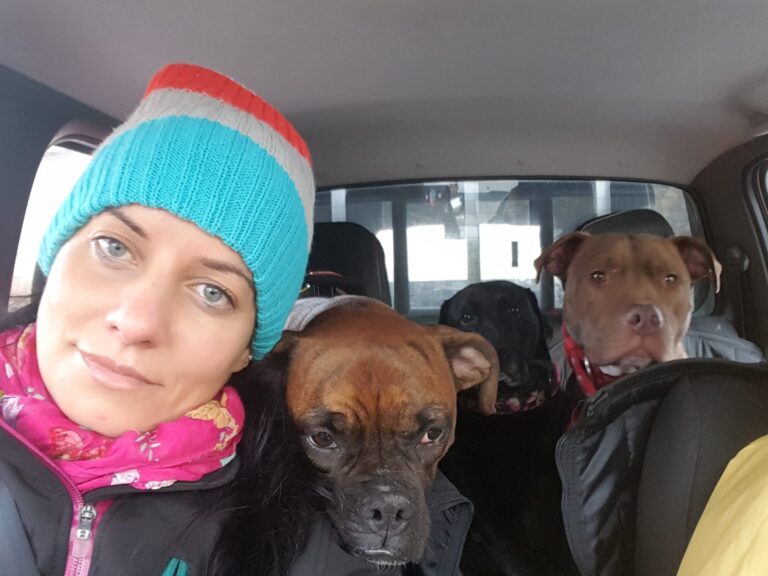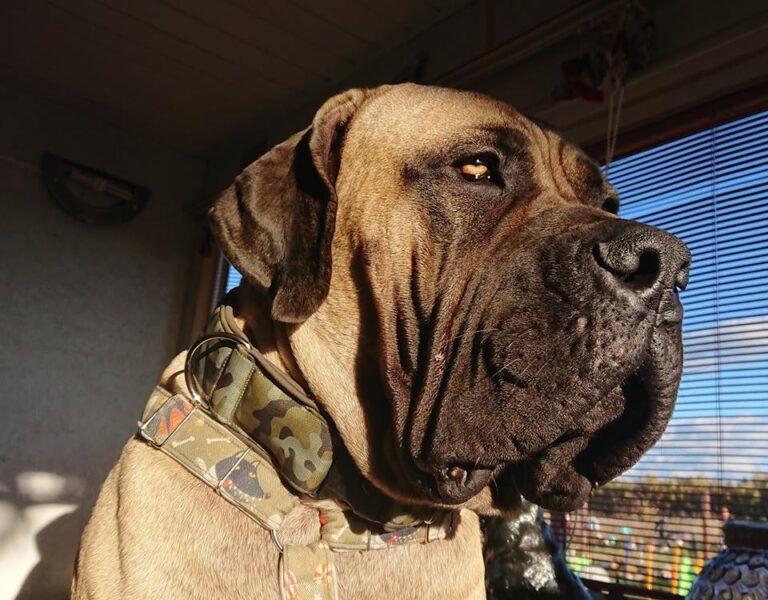

I am great and doing fine, but the dog gets none of mine. Still, I will drill them, come what may, so they learn to HEEL and stay!
Dear friends, let us begin here ➡️ When do we start seeking help for our dog?
Simple. Here are some examples: when the dog
➡️ pulls and bites the lead
➡️ bites people and is aggressive towards other dogs
➡️ toilets indoors and destroys everything
➡️ jumps on visitors
➡️ eats faeces
➡️ chases their tail
➡️ barks
➡️ dislikes touch
➡️ fears everything
What do most owners think when reading this? The dog is bad, spiteful or stupid. Nothing could be further from the truth. Dogs never, ever act to spite us. If they cause problems, we must ask why. It is a shame not every owner reflects on themselves, what they give their dog — or rather fail to give while making demands.
What next? How do we cope? The first thought is:
drilling! Many owners who see their dog as bad still believe they need drilling, not to mention a firm hand.
Drilling is not good, though many like it because it offers an easy route and simple solutions, satisfying human ambitions at the animal’s emotional expense. It crudely teaches behaviours while denying independent decisions: the dog cannot be themselves. Unwanted behaviour is briefly suppressed, but what next? What will life with this “trained” dog be like? Allowing a dog to be themselves and display their difficulties, then working on them without aversion, is much harder. Aversion always catches up with us.
Owners often fail to ask why their “bad” dog pulls, is constantly excited, jumps, bites or lunges at people and dogs. Do not be surprised if the trainer is uninterested too.
There is a client to please, so the dog must submit and perform commands like a robot. Yet understanding the cause of behaviour is essential. Without it, there is no foundation for work based on friendship and trust. Some reject friendly work and choose drilling because they think a friendly bond conflicts with consistency. That is false: they confuse consistent upbringing with a harsh hand.
Two groups of owners attend traditional drilling:
– those excited by quick, short-term progress who disregard their dog’s welfare
and
– those uncomfortable with aversion who feel something is wrong, but trust the “specialist” they approached to know what they are doing and solve the problem.
Dear friends, it does not work that way. Aversion always has consequences later. Pain and fear weaken the bond between dog and owner. The owner may think otherwise because the dog obeys, while suppressing unwanted behaviour “reinforces” the “guardian” — to me, in this case, a tormentor — through an impression of rapid progress. Aversive methods create more problems than they solve. Raising a dog is not about suppression and intimidation.
We cannot pursue our goal at any cost, allowing the desire for a “good”, “submissive”, “showpiece” dog to cause pain or fear through prong collars, slip collars, choke chains, loops or electric shock collars, and methods such as pulling, choking, jerking, kicking, forcing and intimidation.????
If you notice problems with your canine friend, consult a genuine specialist, who will seek the cause before beginning work with the dog and, above all, with you. At LikeDog Canine College, we examine every element when working with dog and owner, so both can enjoy a wonderful life together for the long term, not merely a moment. Dear owners of our wonderful students, we are glad your dogs found you. Thanks to you, they are happy and fulfilled; thanks to us, they are beautifully prepared for life.