
We know nothing, understand nothing and have no expertise — perhaps we have skimmed a little theory — yet we are first to lecture others and proclaim extraordinary nonsense. Sadly, many people behave this way. They know nothing about canine psychology, communication, working with dogs or rehabilitation, yet pontificate so senselessly that you want to stand beside them and weep at their foolishness.
- “Dogs have no minds.”
- “You cannot raise one without beating them.”
- “Dogs have no needs.”
- “I am top of the pack, and the dog must obey me.”
- “Talk to your dog constantly. Tell them when they do something right, and tell them off when they do something wrong. If that does not get through, hit their head properly or give them a kick.”
These are only a few hopeless statements from “experts”. After all, how could they stay quiet when every other one has “always had dogs”? All I can say is how sorry I feel for the poor dogs treated that way. The result is frustrated, anxious, antisocial, withdrawn, depressed, insecure and aggressive dogs.
Many people speak so “beautifully” of how they “love” their dogs. Asked how they show it, they say they cuddle, kiss and squeeze them — but the dog gets a smack when needed, because discipline is necessary . Sadly, many also seriously harm dogs by treating them like humans. Their supposed good intentions — “My dog is a family member, equal to us” — are contradicted immediately by their own behaviour.
It is beautiful for a dog to be a family member. But instead of empty words, we should ask whether what we “provide” truly considers the dog’s needs and respects them. Do we recognise that a member of another species lives under our roof and beside us, with many needs very different from ours? Constantly smothering a dog, hovering over them, kissing, hugging, squeezing, talking endlessly, forcing human behaviour and different “games”, and unnecessarily winding them up are not measures of wise human love.
Real, wise love begins with recognising that we share a roof with another species and respecting their actual needs — not those imposed by humans, but what the dog truly needs. Sadly, people also give themselves all kinds of descriptions and titles. Every other person is an expert , perhaps a doctor or a behaviourist . A few books, one book or half a book, and everyone considers themselves an “expert” , using textbook formulas to “advise” others to do something that misses the point entirely when faced with a different real-life case. Instead of helping, they often harm.
Thoughtful teaching, working with dogs and especially rehabilitation must be carefully considered and analysed. It often takes a huge amount of skilful work supported by knowledge and practical experience with different cases. Helping a dog and often their human family, making the dog feel understood and everyone happy together, frequently means working hard on every aspect. Sadly, few people yet understand this.
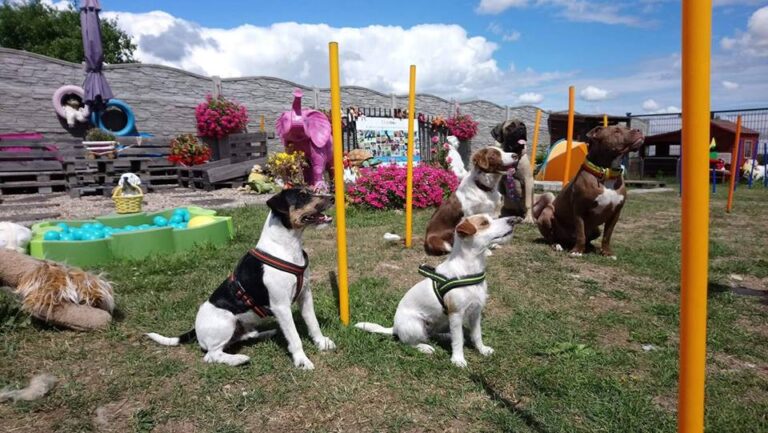
If I do not know about something, I do not give opinions, lecture others or pretend to be someone I am not. If I do not understand something, I do not crudely criticise or undermine it; as a thinking person, I try to understand. I suggest others do the same. The photograph shows some of my canine children resting.