
A note for everyone who takes helping shelter animals seriously.
For those who understand that these dogs need a sensible approach, respect and thoughtful, consistent work.
For those who recognise that working with these dogs means preparing them for adoption and giving them a chance of a home.
- I always remember that shelter animals have been through many experiences, often deeply unpleasant and associated with people. I therefore approach them with caution.
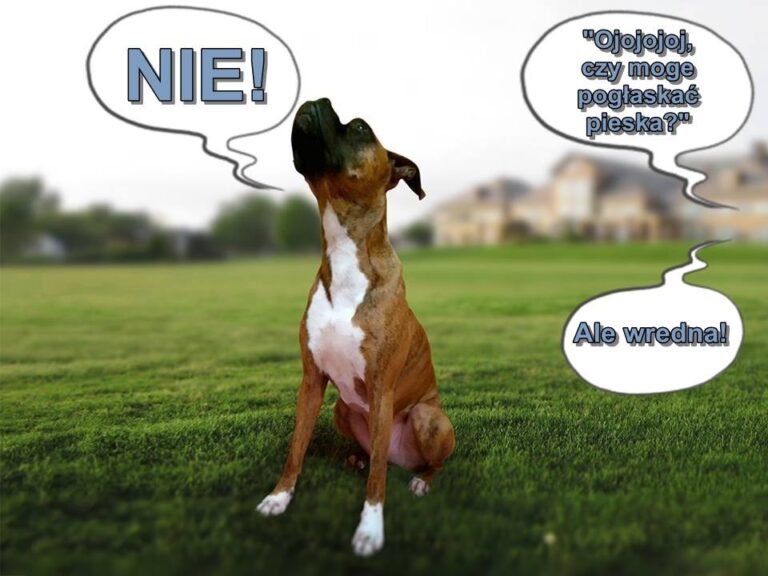
- I do not treat animals like people. People enjoy affectionate greetings and embraces. Dogs do not enjoy being greeted this way. They feel very uncomfortable when we press our whole body towards them and deny them the chance to keep their distance.
- When greeting a dog, I stand sideways, remain calm and wait for them to approach and sniff me. I keep my hands to myself. I do not pat the dog on the head, because they strongly dislike it.
- I never approach a nervous dog head-on or stare into their eyes. If the dog does not want contact, I respect that and move away.
- I know that a wagging tail does not always mean a dog is happy. An upset dog wags their tail too.
- I know and can recognise the calming signals a dog sends. This is very important to me and helps me understand their emotions at that moment.
- I never shout at, jerk, hit or force anything on a dog. Everything we do together must be enjoyable for both of us.
- I know there is no such thing as “dominating a dog”. Mistreatment makes a dog aggressive and fearful. If they do something for us, it is only to avoid punishment. Such a dog is deeply unhappy.
- I always consider that a dog may feel unwell or be in pain.
- When passing kennels, I remain calm, do not run and do not create unnecessary excitement among the dogs. I do not put my hands into kennels. I focus on what dogs who spend all day confined dream of: a walk. I certainly do not go in and wrestle with a dog, because they neither like nor want that. What they want is to go for a walk with me.
- I do not approach a dog while they are eating.
- Before taking a dog for a walk, I check that the collar is securely fastened, not too loose, and that I have clipped the lead on correctly. I never walk the dog close to the kennels, but take a route that maintains distance.
- On a walk, I remain calm and composed and keep the lead loose. If someone approaches with another dog and I do not know how my dog will react, I change direction or pass in an arc, keeping a safe distance.
- I never use the lead as a toy. Such play can end with the dog lunging at us. I also know that a dog who starts tugging at the lead is often very stressed. If they begin, I remain calm, ideally turn sideways and wait it out as far as possible. As soon as they stop, I walk decisively forwards, because standing still gives them the opportunity to repeat it.
- I understand and can read a dog’s aggressive behaviour. If it occurs, I know to fold my arms, observe the dog carefully while avoiding eye contact, and move to a safe place without turning my back. I do this slowly, because rapid movement may cause the dog to lunge.
- I realise that wearing a hat or hood can confuse dogs. If I approach wearing a hat after always visiting without one, I am a stranger until the dog recognises me.
- I am sensitive to animal suffering. I know, and try to explain to others, that an animal is not a toy but a living being who experiences suffering.