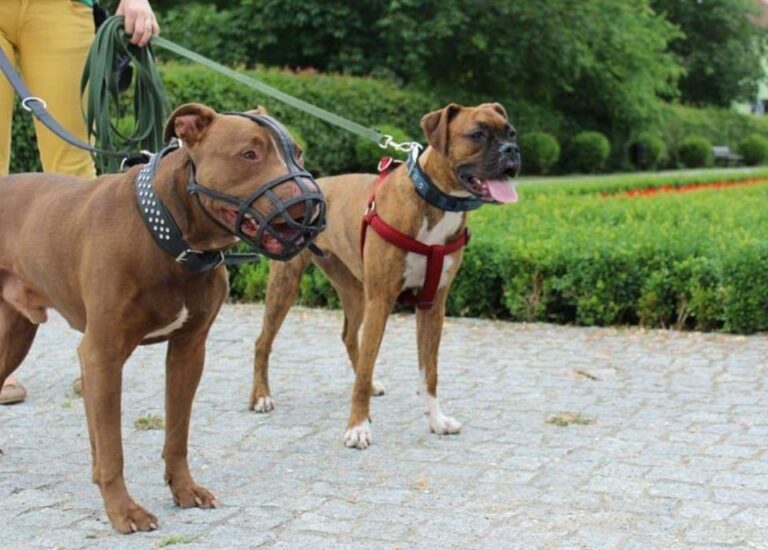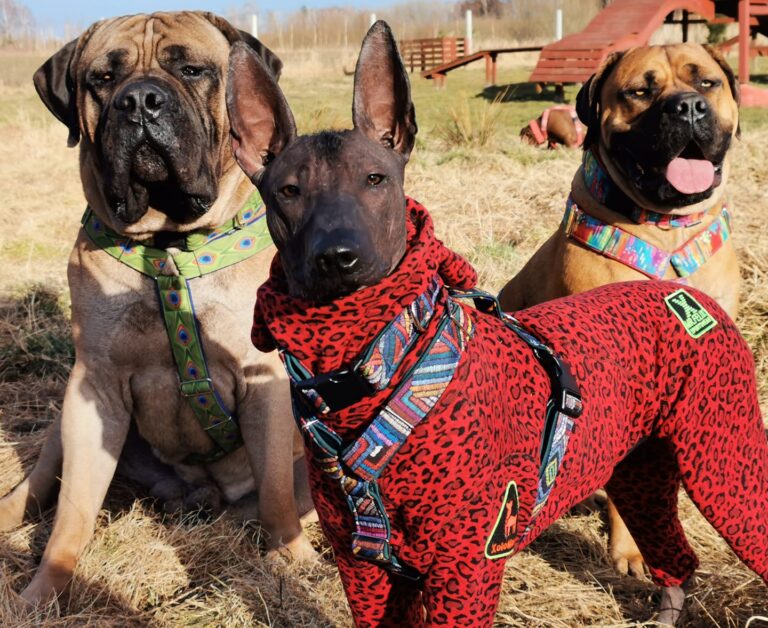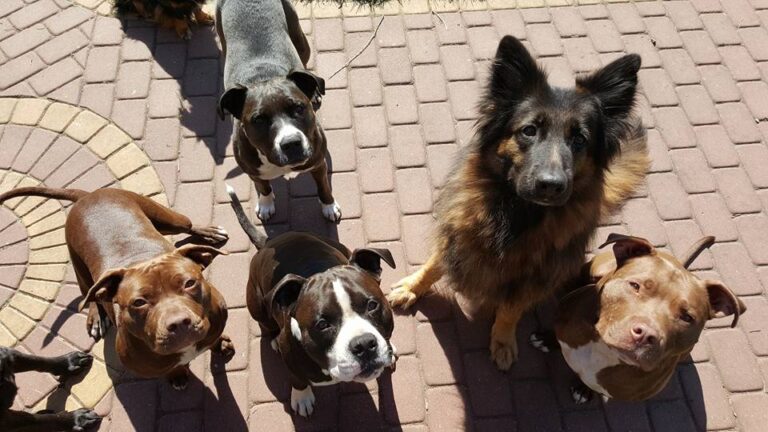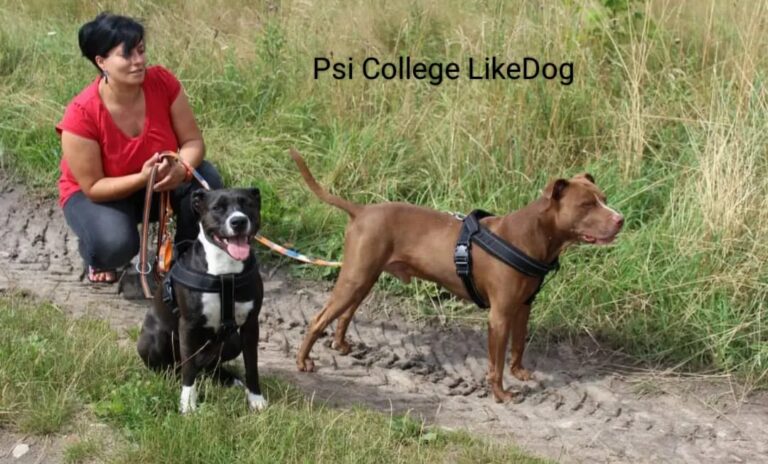

First observe, understand and provide what the dog needs. When difficulties arise, we often hear that we should keep the dog firmly under control and attend drill sessions, preferably using aversive methods. This does not help. It creates serious problems that may affect the dog’s mind for life.
Why not drill?
In conventional drill, nobody considers the dog’s well-being or emotions. The dog must sit, lie down and heel. Nobody asks whether socialisation happened or was handled appropriately. Often, a group of people and dogs lines up and begins drill. Nobody cares that:
- one dog fears people,
- another fears dogs,
- a third fears everything around them,
- and a fourth is extremely stressed…
Consider the dog who fears everything. How can they concentrate? First, we should investigate the fear: inadequate socialisation, poor conditioning or other causes. Now imagine this dog being told to sit. Everything is terrifying, but they must sit, end of story. Stress prevents them taking in the command. During such drill, they are usually labelled stupid, stubborn, defiant or disobedient, or physically forced into position. Without first analysing behaviour, we will never help. We may suppress something temporarily, but it will eventually return with greater force.
Individual classes with a behaviourist? Yes!
At our dog school, forced commands have no place. We first observe, understand, build a good bond and help. When the dog is willing and ready, we introduce training elements through skilfully chosen games and exercises.
A dog is a living being who feels, experiences and has needs. First provide what they need, seek understanding and help them overcome difficulties. Only then teach our human inventions.